
Introduction
Migraine management usually improves when the person starts looking at attacks as a pattern to understand rather than as isolated headaches to survive one by one. That shift matters because repeated migraine affects productivity, relationships, sleep, mood, and confidence in everyday planning.
Because migraine management can present differently from person to person, it deserves an individualized evaluation rather than a one-size-fits-all approach. Many readers looking for a homeopathy clinic in Vadodara want patient education that is practical, balanced, and medically responsible. This article explains what people commonly notice, how doctors assess the issue, where lifestyle measures fit in, and how an experienced homeopathy doctor in Vadodara may think about supportive care alongside standard medical guidance.
Symptoms
Symptoms often reflect the stage, trigger pattern, and the patient's overall health. Some people notice mild changes that build slowly, while others experience episodes that are uncomfortable enough to affect sleep, work, confidence, or daily routines.
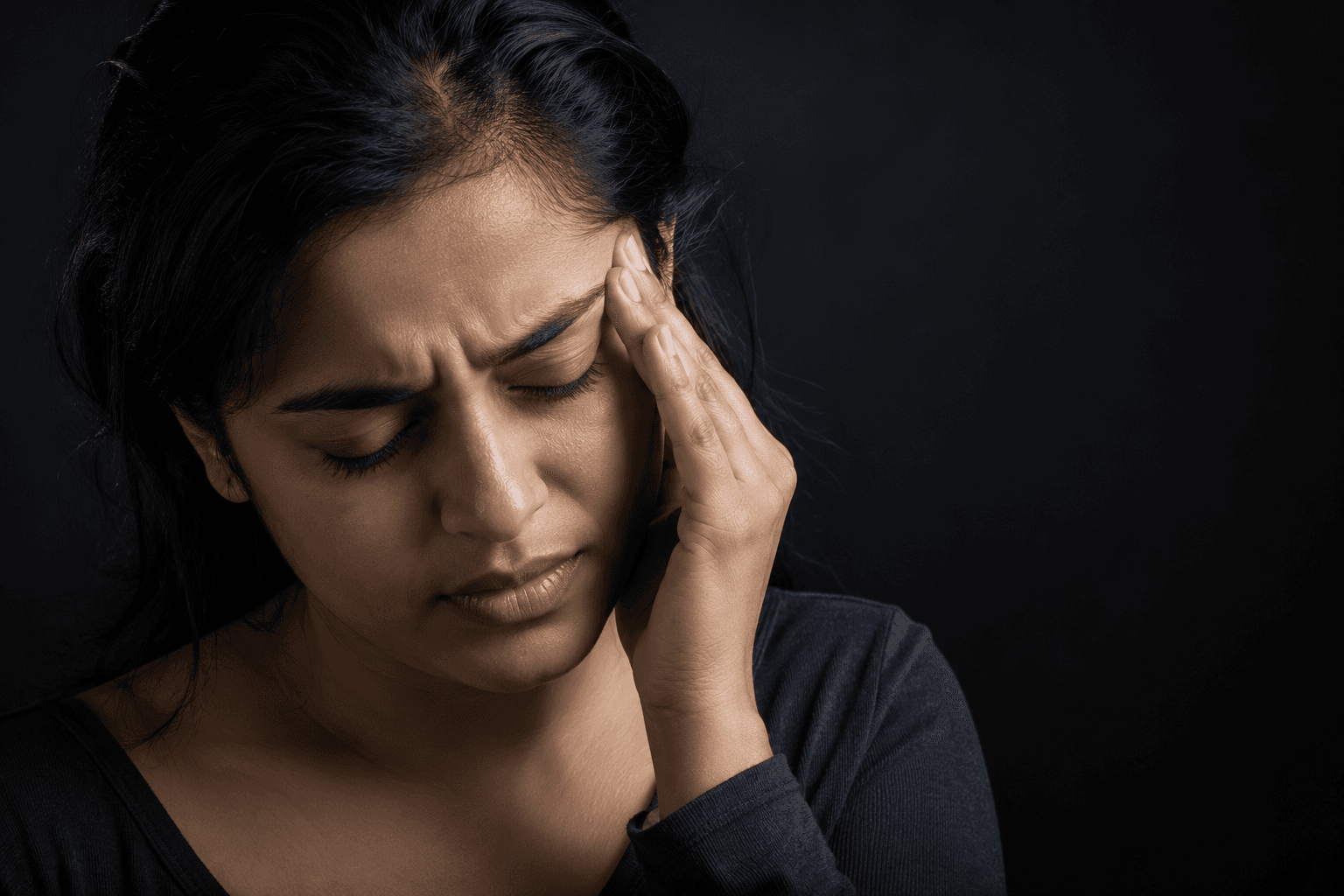
Attack pattern may include throbbing pain, aura, nausea, light sensitivity, hormonal timing, digestive upset, or weather reactivity. Many patients also feel drained for hours after the main headache settles.
Common Symptoms
- Recurring moderate to severe headaches
- Nausea and sensory sensitivity
- Visual aura in some patients
- Headaches linked to fasting, sleep loss, or stress
- Post-headache fatigue or mental fog
- Reduced tolerance for routine activity during attacks
When to Seek Medical Assessment
Any migraine-like symptom that is new, unusually severe, or accompanied by weakness, confusion, fainting, fever, or trauma should be medically reviewed urgently. Even when symptoms sound familiar, professional assessment is important if the condition is persistent, recurrent, severe, or interfering with eating, breathing, hydration, urination, bowel habits, mobility, or day-to-day wellbeing.
Causes
Migraine reflects a sensitive neurologic system influenced by genetics, hormones, routine instability, stress, and trigger exposure. That is why two patients with the same label may need quite different prevention strategies.
In real life, there is often no single explanation. Genetics, environment, diet, hormones, infection, stress, inflammation, and lifestyle patterns can interact over time. Understanding the likely contributors helps patients ask better questions and helps clinicians plan investigations or supportive care more thoughtfully.
- Inherited migraine tendency
- Hormonal fluctuations
- Sleep disturbance
- Stress and recovery imbalance
- Food, smell, light, or weather triggers
Risk Factors
Frequent attacks become more likely when trigger awareness is poor, recovery time is limited, or pain medicines are used too often without a broader prevention plan.
A risk factor does not guarantee that a person will develop the condition, and someone without obvious risk factors can still experience symptoms. Even so, knowing these patterns is useful because it highlights where prevention, earlier consultation, or closer follow-up may be sensible.
- Family history
- Menstrual trigger pattern
- Chronic stress
- Poor sleep and skipped meals
- Heavy screen exposure and posture strain
Diagnosis
Diagnosis usually depends on headache history, attack features, associated symptoms, and the absence of warning signs pointing to a secondary cause. A good migraine history is often more useful than random treatment trials.
If the pattern is unusual or the examination suggests something else, imaging or referral may be appropriate. The aim is to confirm whether the headache truly behaves like migraine and whether prevention-focused management should be discussed more seriously.
Homeopathic Perspective
Homeopathic treatment in Vadodara is often explored by patients who want individualized support for long-standing migraines, especially when the attacks follow a recurring personal pattern.
A homeopathy doctor in Vadodara may assess side of pain, timing, food triggers, emotional state, menstrual relation, digestion, and post-attack exhaustion. Used responsibly, this can sit within a larger migraine plan, but it should never replace urgent assessment for dangerous headache patterns.
At Pure Life Homeopathy Vadodara, consultation is typically centered on the individual rather than on a label alone. A homeopathic treatment plan may consider the symptom timeline, triggers, sleep, appetite, stress pattern, temperature preference, sensitivities, and overall constitution. Homeopathy should be used responsibly and does not replace emergency care, specialist referral, imaging, laboratory work, or conventional treatment when those are necessary.
Lifestyle Recommendations
Gentle migraine relief usually depends on consistency in routine rather than dramatic one-day measures.
Lifestyle changes are most useful when they are realistic and consistent. Small, repeatable adjustments often do more for long-term progress than extreme short-term routines, especially in chronic conditions that need monitoring over months rather than days.
- Eat on time and avoid long fasting
- Keep sleep and wake timing regular
- Track the first early warning signs of attacks
- Reduce screen strain and maintain posture breaks
- Stay hydrated and monitor weather-sensitive days
- Seek a structured plan if attacks are frequent
FAQ
Why is migraine prevention sometimes more important than attack treatment?
Because many patients spend years reacting to each attack without addressing the pattern behind them. Prevention through trigger management, medical review, and individualized planning may reduce the number of bad days much more effectively than treating each episode after it has already escalated.
Can migraine patterns change over time?
Yes. Hormones, age, stress load, work routine, and other health conditions can alter how migraine appears. That is why a treatment plan may need review over time instead of assuming the same triggers and symptoms will remain unchanged forever.
When should I seek specialist help for migraine?
Specialist or formal medical review is worthwhile when headaches are frequent, disabling, no longer respond as expected, or carry red-flag features. A clearer diagnosis can open more effective prevention options than repeated self-treatment alone.
Conclusion
Migraine relief becomes more reliable when it is gentle, structured, and pattern-based. Patients often do best when they combine symptom awareness, realistic self-care, and individualized professional guidance.
If you want an individualized discussion about symptoms, triggers, and supportive homeopathic treatment in Vadodara, Pure Life Homeopathy, Vadodara offers consultation-focused care aimed at patient education, realistic expectations, and a treatment plan tailored to the person rather than just the diagnosis.