
Introduction
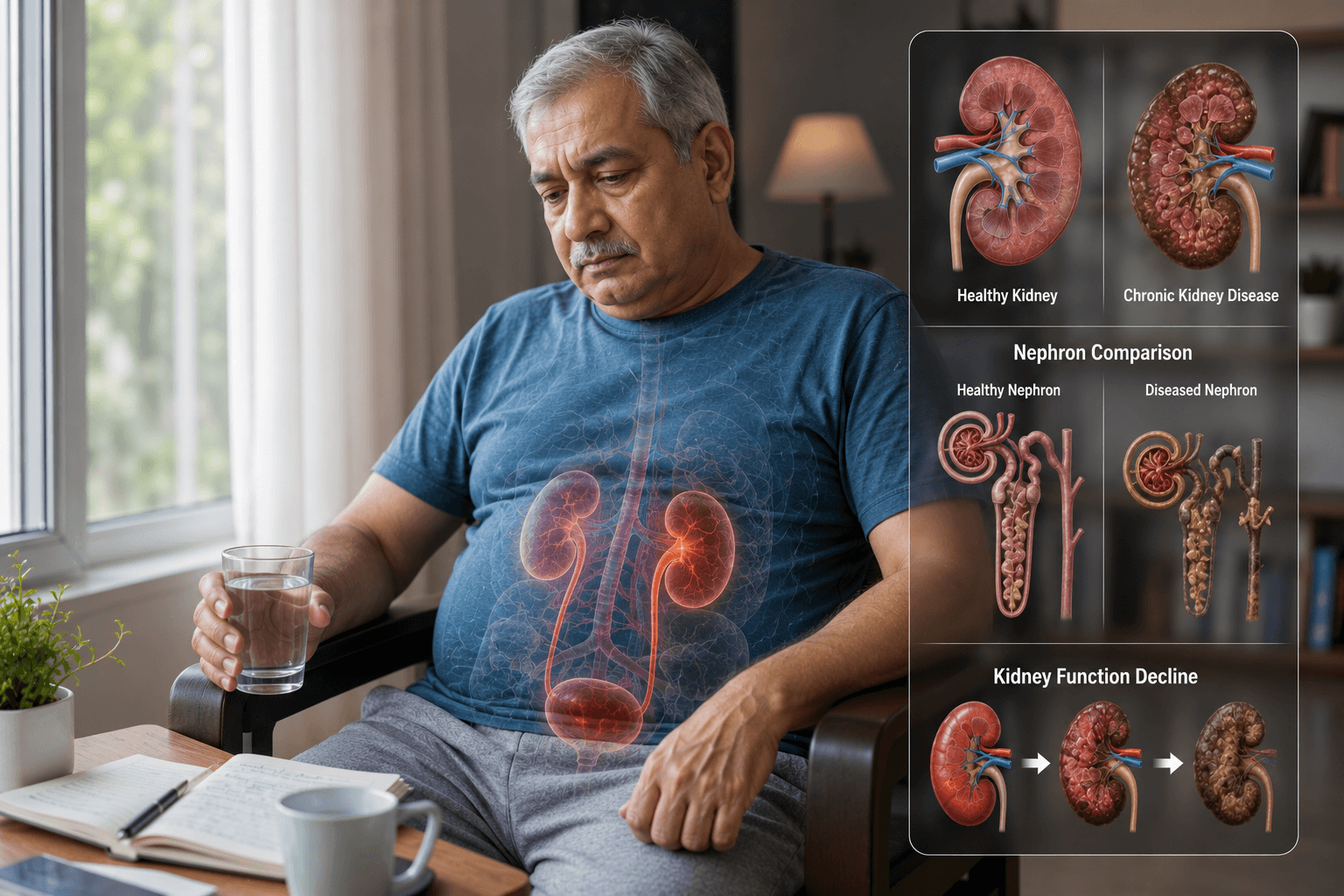
Chronic kidney disease, or CKD, refers to long-term reduction in kidney function or evidence of kidney damage over time. It may progress quietly in the early stages, which is why many people do not realize they have a kidney problem until blood tests or urine tests show a concern.
Because chronic kidney disease can present differently from person to person, it deserves an individualized evaluation rather than a one-size-fits-all approach. Many readers looking for a homeopathy clinic in Vadodara want patient education that is practical, balanced, and medically responsible. This article explains what people commonly notice, how doctors assess the issue, where lifestyle measures fit in, and how an experienced homeopathy doctor in Vadodara may think about supportive care alongside standard medical guidance.
Symptoms
Symptoms often reflect the stage, trigger pattern, and the patient's overall health. Some people notice mild changes that build slowly, while others experience episodes that are uncomfortable enough to affect sleep, work, confidence, or daily routines.
Symptoms are often subtle at first. Later stages may bring fatigue, swelling, appetite reduction, blood pressure issues, itching, or changes in urination, but many people are diagnosed before major symptoms appear.
Common Symptoms
- Fatigue or reduced stamina
- Swelling of feet or face
- Changes in urine frequency or appearance
- Loss of appetite or nausea in advanced cases
- High blood pressure
- Itching or generalized weakness in some patients
When to Seek Medical Assessment
Rapid drop in urine output, severe swelling, confusion, chest discomfort, high potassium-related symptoms, or marked breathlessness require urgent conventional medical review. Even when symptoms sound familiar, professional assessment is important if the condition is persistent, recurrent, severe, or interfering with eating, breathing, hydration, urination, bowel habits, mobility, or day-to-day wellbeing.
Causes
Common causes of CKD include diabetes, hypertension, recurrent kidney inflammation, inherited kidney conditions, and long-term structural or metabolic stress on the kidneys.
In real life, there is often no single explanation. Genetics, environment, diet, hormones, infection, stress, inflammation, and lifestyle patterns can interact over time. Understanding the likely contributors helps patients ask better questions and helps clinicians plan investigations or supportive care more thoughtfully.
- Diabetes
- High blood pressure
- Chronic glomerular disease
- Polycystic or inherited kidney disorders
- Repeated obstruction, stones, or urinary problems
- Long-term medication-related kidney stress in selected patients
Risk Factors
Because kidney damage can advance silently, patients with diabetes or hypertension often benefit from routine screening even when they feel generally well.
A risk factor does not guarantee that a person will develop the condition, and someone without obvious risk factors can still experience symptoms. Even so, knowing these patterns is useful because it highlights where prevention, earlier consultation, or closer follow-up may be sensible.
- Diabetes and poorly controlled blood pressure
- Family history of kidney disease
- Older age
- Previous kidney injury or recurrent urinary disease
- Cardiovascular risk factors and obesity
Diagnosis
Diagnosis relies on blood tests, urine examination, blood pressure assessment, and sometimes imaging. Doctors look at creatinine, estimated kidney function, urine protein, and the longer-term pattern rather than one isolated number alone.
Once CKD is identified, staging and cause evaluation become important. Treatment usually focuses on slowing progression, controlling blood pressure and sugar, avoiding kidney-toxic stress, and preparing appropriate follow-up. This is not an area where guesswork is safe.
Homeopathic Perspective
Some patients with chronic kidney disease explore homeopathy for symptom support, energy, or constitutional care while remaining under nephrology or physician supervision.
That should be approached cautiously and responsibly. Homeopathy should not replace CKD monitoring, nephrology advice, or medicines prescribed for blood pressure, diabetes, or kidney protection. The safest role for complementary care is supportive and coordinated, not curative in claim.
At Pure Life Homeopathy Vadodara, consultation is typically centered on the individual rather than on a label alone. A homeopathic treatment plan may consider the symptom timeline, triggers, sleep, appetite, stress pattern, temperature preference, sensitivities, and overall constitution. Homeopathy should be used responsibly and does not replace emergency care, specialist referral, imaging, laboratory work, or conventional treatment when those are necessary.
Lifestyle Recommendations
Kidney care is usually more about steady protection than dramatic intervention, especially in early or moderate chronic disease.
Lifestyle changes are most useful when they are realistic and consistent. Small, repeatable adjustments often do more for long-term progress than extreme short-term routines, especially in chronic conditions that need monitoring over months rather than days.
- Follow nephrology or physician advice closely
- Control blood pressure and blood sugar carefully
- Avoid unnecessary painkiller or supplement overuse
- Review diet and salt guidance with a professional
- Keep routine blood and urine follow-up
- Seek medical help early for swelling or urine changes
FAQ
Can chronic kidney disease exist without symptoms?
Yes. Early CKD can be silent, which is why screening is important in people with diabetes, hypertension, or strong risk factors. A person may feel well while kidney function is already changing, and that is exactly why regular testing matters.
Can homeopathy reverse chronic kidney damage?
It would not be medically responsible to promise reversal of chronic kidney damage through homeopathy alone. CKD requires structured medical follow-up and risk-factor control. Complementary care, if used, should support overall wellbeing without replacing essential kidney monitoring.
What helps most in slowing CKD progression?
Consistent control of blood pressure, diabetes, diet quality, and medication adherence usually has the greatest impact. Early detection and follow-up are often more important than any single symptom-relief strategy.
Conclusion
CKD is best managed as a long-term protection plan rather than a symptom-only problem. Early diagnosis, careful follow-up, and realistic supportive care offer the strongest path forward.
If you want an individualized discussion about symptoms, triggers, and supportive homeopathic treatment in Vadodara, Pure Life Homeopathy, Vadodara offers consultation-focused care aimed at patient education, realistic expectations, and a treatment plan tailored to the person rather than just the diagnosis.