
Introduction
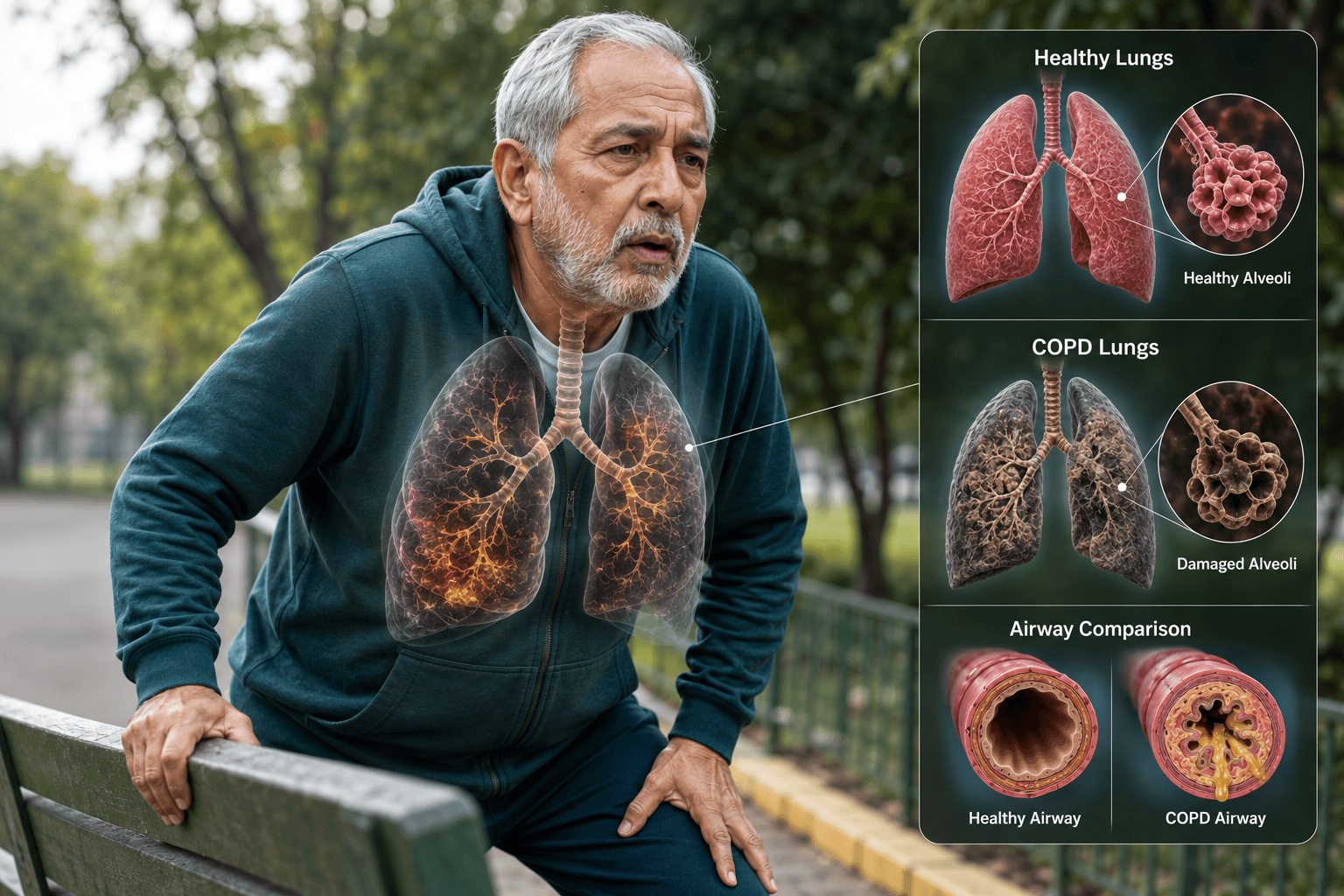
COPD is a chronic lung condition that usually develops gradually and causes airflow limitation, breathlessness, cough, and reduced exercise tolerance. Because symptoms build over years, many people adapt slowly and do not realize how much their breathing capacity has changed until daily tasks become difficult.
Because chronic obstructive pulmonary disease can present differently from person to person, it deserves an individualized evaluation rather than a one-size-fits-all approach. Many readers looking for a homeopathy clinic in Vadodara want patient education that is practical, balanced, and medically responsible. This article explains what people commonly notice, how doctors assess the issue, where lifestyle measures fit in, and how an experienced homeopathy doctor in Vadodara may think about supportive care alongside standard medical guidance.
Symptoms
Symptoms often reflect the stage, trigger pattern, and the patient's overall health. Some people notice mild changes that build slowly, while others experience episodes that are uncomfortable enough to affect sleep, work, confidence, or daily routines.
Some patients mainly notice chronic cough and sputum, while others experience exertional breathlessness, recurrent chest infections, fatigue, or worsening symptoms in winter and polluted environments.
Common Symptoms
- Shortness of breath on exertion
- Chronic cough
- Sputum production
- Wheezing or chest tightness in some cases
- Reduced stamina
- Repeated respiratory infections or flare-ups
When to Seek Medical Assessment
Rapid worsening breathlessness, bluish lips, confusion, severe chest tightness, or inability to maintain oxygenation are emergency situations requiring urgent conventional care. Even when symptoms sound familiar, professional assessment is important if the condition is persistent, recurrent, severe, or interfering with eating, breathing, hydration, urination, bowel habits, mobility, or day-to-day wellbeing.
Causes
COPD is most strongly linked to smoking exposure, but biomass smoke, long-term pollution, occupational exposure, and some biological vulnerabilities can also contribute.
In real life, there is often no single explanation. Genetics, environment, diet, hormones, infection, stress, inflammation, and lifestyle patterns can interact over time. Understanding the likely contributors helps patients ask better questions and helps clinicians plan investigations or supportive care more thoughtfully.
- Cigarette or tobacco smoke exposure
- Indoor biomass smoke
- Long-term pollution exposure
- Occupational dust or fumes
- Chronic airway inflammation over time
Risk Factors
The condition usually develops after years of exposure, which is why early symptom recognition and smoking cessation are so important.
A risk factor does not guarantee that a person will develop the condition, and someone without obvious risk factors can still experience symptoms. Even so, knowing these patterns is useful because it highlights where prevention, earlier consultation, or closer follow-up may be sensible.
- Smoking or past smoking history
- Pollution or smoke exposure at home or work
- Older age
- Repeated respiratory infections
- Poor lung reserve and sedentary routine
Diagnosis
Diagnosis usually involves symptom history, chest examination, and spirometry to measure airflow limitation. Doctors also consider smoking history, infection burden, and whether asthma overlap might be present.
Imaging, oxygen assessment, and evaluation of flare frequency may also be used. Distinguishing COPD from asthma or recurrent infection matters because management, inhaler strategy, and risk counseling differ between these conditions.
Homeopathic Perspective
Supportive homeopathic consultation may be sought by patients who want individualized discussion around chronic cough, recurrent flare pattern, or constitutional weakness.
However, COPD is a structural respiratory disease that requires standard medical management, inhaler care, and urgent attention during flare-ups. Homeopathy should never be portrayed as replacing bronchodilators, pulmonary follow-up, or emergency respiratory treatment when oxygenation is at risk.
At Pure Life Homeopathy Vadodara, consultation is typically centered on the individual rather than on a label alone. A homeopathic treatment plan may consider the symptom timeline, triggers, sleep, appetite, stress pattern, temperature preference, sensitivities, and overall constitution. Homeopathy should be used responsibly and does not replace emergency care, specialist referral, imaging, laboratory work, or conventional treatment when those are necessary.
Lifestyle Recommendations
In COPD, prevention of decline is a major goal, and that depends heavily on daily habits and adherence to respiratory care.
Lifestyle changes are most useful when they are realistic and consistent. Small, repeatable adjustments often do more for long-term progress than extreme short-term routines, especially in chronic conditions that need monitoring over months rather than days.
- Stop smoking and avoid passive smoke exposure
- Follow inhaler technique and prescribed treatment carefully
- Use breathing exercises and pulmonary rehabilitation if advised
- Keep vaccinations and infection prevention up to date
- Watch for changes in sputum and breathing pattern
- Seek care early during respiratory flare-ups
FAQ
Is COPD the same as asthma?
No. Although both can involve breathing difficulty, COPD and asthma have different underlying mechanisms, risk patterns, and long-term management needs. Some patients have overlap features, but accurate diagnosis is important because it shapes medication decisions and flare-up prevention.
Can COPD improve if smoking is stopped?
Stopping smoking does not erase all established lung damage, but it is one of the most important ways to slow further decline and reduce flare risk. Many patients still gain major health benefits from quitting, even if symptoms have been present for years.
Can homeopathy replace inhalers in COPD?
No. COPD requires structured respiratory care and often depends on inhalers and medical monitoring. Any complementary approach must remain secondary to lung-protective treatment, not a substitute for it.
Conclusion
COPD management is most successful when patients understand the seriousness of long-term airway damage and act early to reduce further decline. Consistency in respiratory care usually matters far more than searching for quick symptomatic relief alone.
If you want an individualized discussion about symptoms, triggers, and supportive homeopathic treatment in Vadodara, Pure Life Homeopathy, Vadodara offers consultation-focused care aimed at patient education, realistic expectations, and a treatment plan tailored to the person rather than just the diagnosis.